
Paro
The valley with the international airport — Tiger's Nest Monastery, Rinpung Dzong, and Bhutan's most complete preserved heritage.

The essence
Bhutan is the only country in the world to measure its progress in Gross National Happiness rather than GDP — and the evidence of that philosophy is everywhere visible. The dzong monasteries, built at river confluences in the valley floors, still function as both fortress and spiritual centre. The farmers in the Paro Valley still cut rice by hand. Tiger's Nest Monastery — Paro Taktsang — clings to a cliff 900 metres above the valley floor and is reached only by trail, the same trail monks have used for 1,300 years. And the country as a whole, by restricting tourism through its Sustainable Development Fee, has preserved a cultural and ecological integrity that is genuinely rare in the modern world.
Starting from
₹1,99,000
per person · custom itinerary
Best season
October–November (clearest mountains, Paro Tsechu possible). March–April (spring rhododendrons). December–February (cold but uncrowded, black-necked cranes in Phobjikha).
Culture & History
Bhutan's culture is Vajrayana Buddhist at its core — a Tantric form of Buddhism that came to Bhutan from Tibet in the 7th century. The dzongs (fortress-monasteries) are the physical expression of this culture: each of Bhutan's twenty dzongkhags (districts) has a dzong that serves as both the administrative and religious centre. The Punakha Dzong, built at the confluence of the Pho Chhu and Mo Chhu rivers, is widely considered the most beautiful building in the Himalayas. The mask dances — the cham — performed at the Tshechu festivals are not merely entertainment but sacred rituals whose viewing is considered an act of devotion. Traditional Bhutanese dress — the gho for men, the kira for women — is still mandatory in dzongs and government offices.
Why go
The only country on earth measuring success by Gross National Happiness — a carbon-negative kingdom that has chosen deliberate seclusion over mass tourism.
Some of the most spectacular Himalayan landscapes with none of Nepal's crowding — the trails to Tiger's Nest and the Bumthang valleys stay wonderfully uncrowded.
A living Vajrayana Buddhist culture, where every home has a shrine room, every mountain pass is festooned with prayer flags, and traditional dress is worn daily by choice.
When to travel
Every destination has its perfect window — and its quiet secrets. Our team plans around weather, festivals, and hotel availability so your journey lands in the sweetest possible month.
March – May
Rhododendrons in bloom, clear Himalayan skies, and the Paro Tsechu festival in early April — the country's most vibrant window.
September – November
The absolute peak — dry weather, mountain vistas at their sharpest, and the Thimphu Tsechu festival mid-September.
December – February
Cold but crystal-clear at lower elevations (Punakha, Paro). Amankora fireside evenings are unforgettable.
June – August
Monsoon. Trails muddy, mountain views obscured — only for those focused on rice-planting culture in the valleys.
Who this is for
Contemplative travellers seeking meaning over sightseeing — Bhutan is best in slow, unhurried itineraries.
Active couples ready for gentle hikes up to Tiger's Nest and the Druk Path.
Repeat Asia travellers who have already done India, Nepal, and Tibet, and want the region's most protected culture.
Common questions
Places to explore
Paro
The valley with the international airport — Tiger's Nest Monastery, Rinpung Dzong, and Bhutan's most complete preserved heritage.
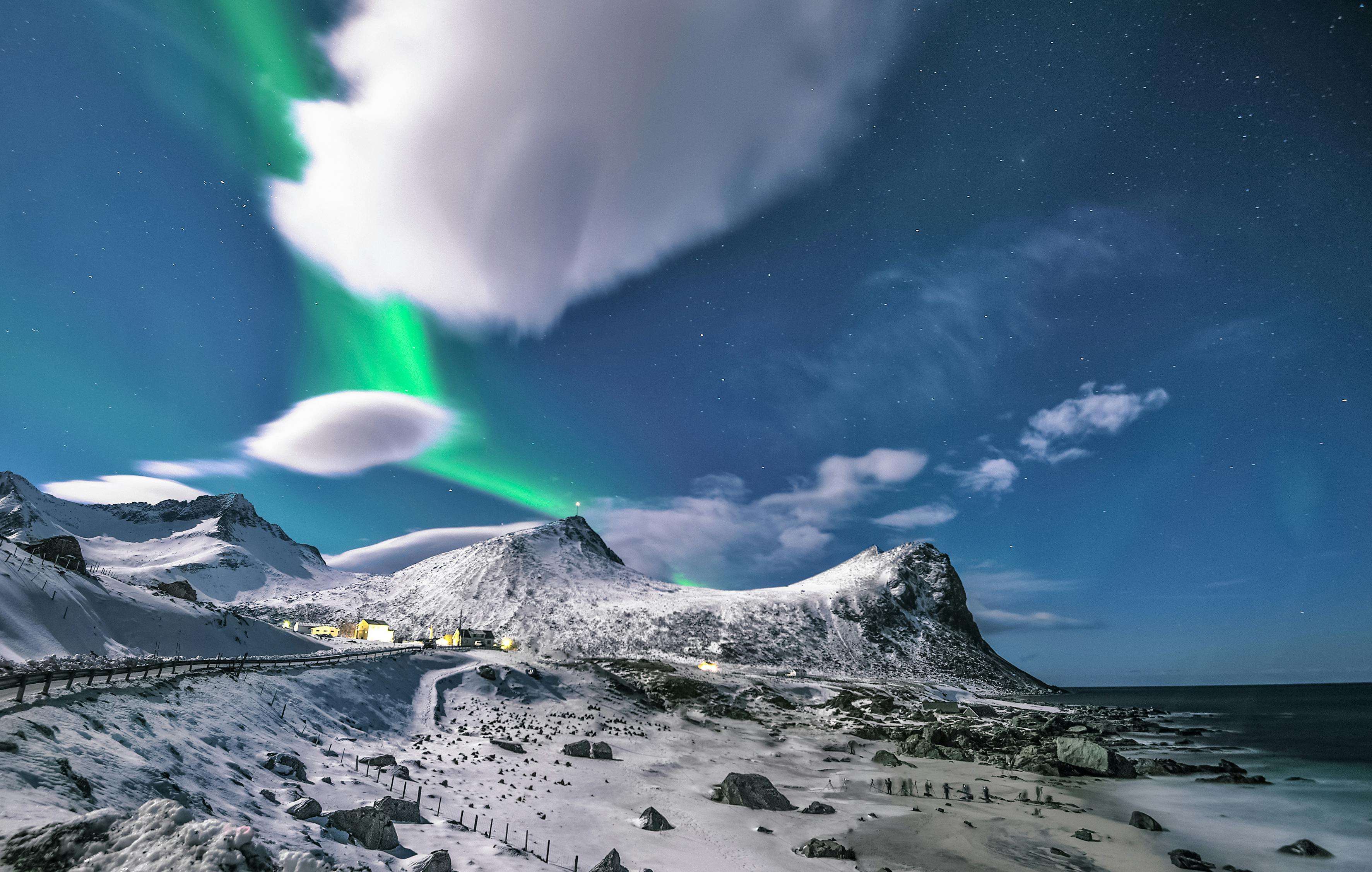
Thimphu & Punakha
The capital city (no traffic lights, by royal decree) and the magnificent Punakha Dzong at the Mo Chhu and Pho Chhu river confluence.
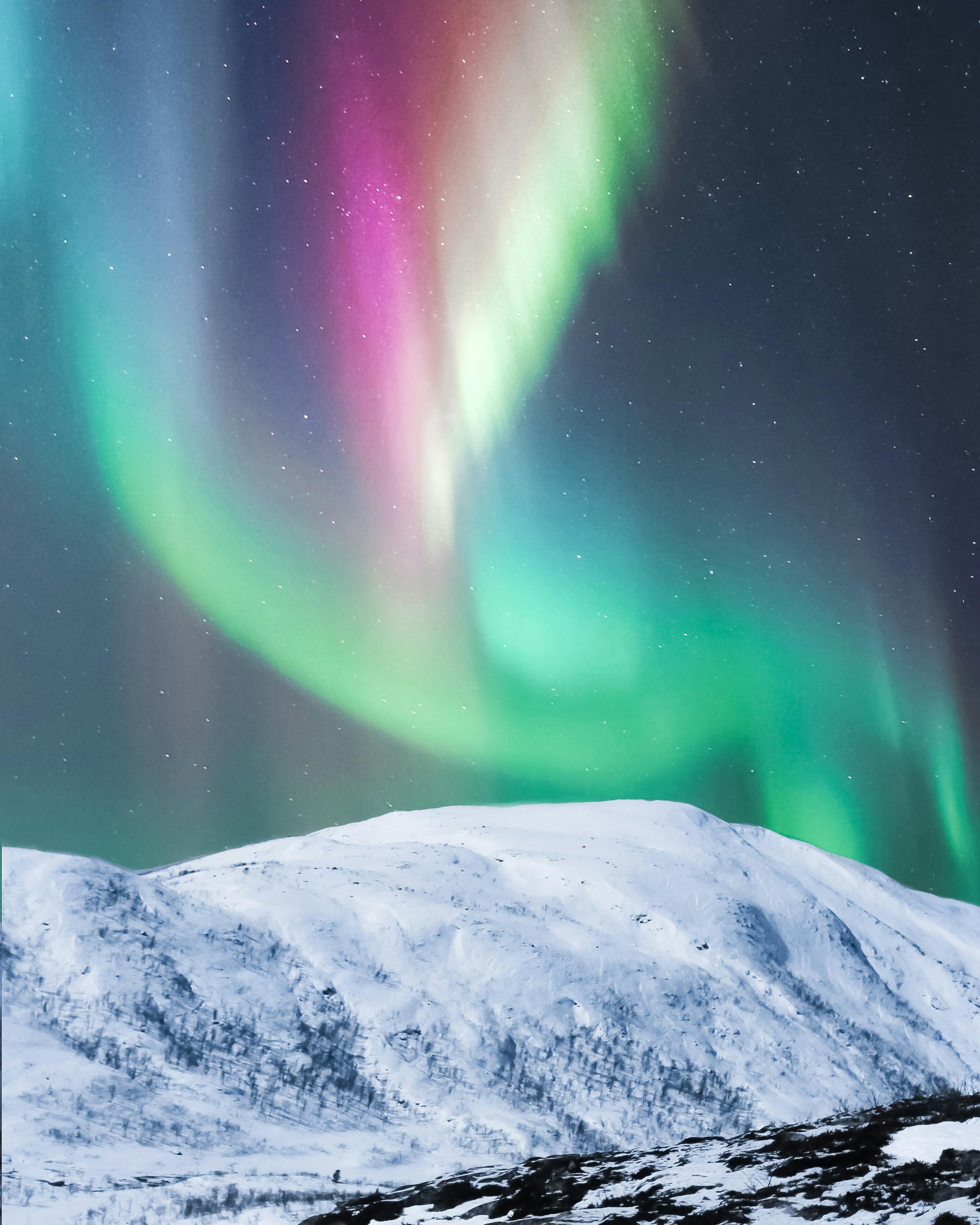
Bumthang & Phobjikha
Bhutan's cultural heartland — four sacred valleys, the oldest temples in the kingdom, and the Phobjikha winter sanctuary for black-necked cranes.
Traveller stories
2 verified reviews from travellers who've completed this journey.
Beyond anything we imagined
Passage Pioneer crafted a Bhutan journey that touched something deep. The private monastery access, the dawn hike to Tiger's Nest — nothing was generic. Our travel designer clearly knows this kingdom intimately. We will return.
— Sarah & Michael Chen
Transformative, not touristy
Every detail was considered — from the eco lodge selection to a private Thangka painting lesson. The itinerary felt completely personal, never like a group tour.
— Priya Mehta
Signature moments
Continue exploring


